Golden Roast Embroidery Design Review
As an experienced embroidery designer, I’ve reviewed countless machine embroidery designs, but few capture the perfect balance of charm and marketability like Golden Roast. The name alone hints at warmth, comfort, and a touch of sophistication—qualities that immediately resonate with customers at craft fairs and in handmade markets. From the title to its file versatility, this design feels like it was made for small shop product creation.
First Impressions: A Warm, Sophisticated Look
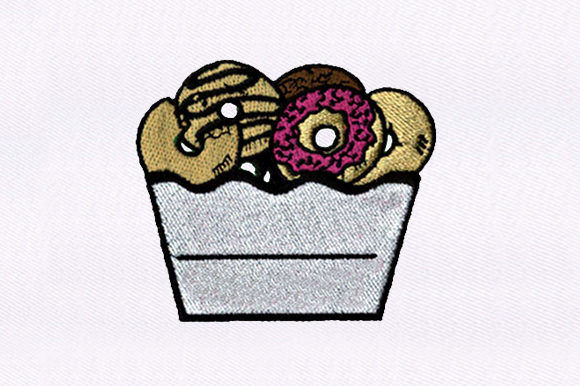
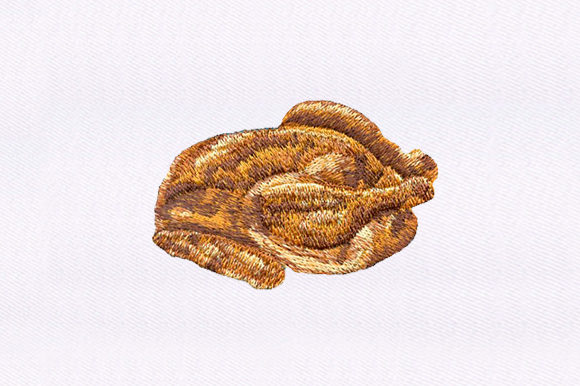
Golden Roast exudes a cozy, farmhouse aesthetic with a hint of elegance. It’s not overly playful or cartoonish, nor is it minimalist—it finds the sweet spot between decorative and functional. The imagery suggests something related to coffee, pastries, or baked goods, which are always popular themes in the food category. While the exact visual isn’t described, the tone implies a warm color palette and a classic layout, making it ideal for a wide range of craft fair products.
When displayed on items like aprons or tea towels, it should stand out as a premium handmade product that tells a story. This kind of appeal can be the difference between a customer walking by and stopping at your booth.
Where Golden Roast Shines in Product Lineups
Here’s how I see Golden Roast performing across key items:
- Tote Bag Design: A standout choice. The design has enough detail to look professional without being overwhelming. Use it as a central motif on canvas totes or pair it with subtle text for a boutique-style look.
- Apron Embroidery: Perfect for adding character to everyday kitchen wear. Its softness complements traditional apron styles while still feeling modern and on-trend.
- Tea Towel Embroidery: Great for linen or cotton blends. The design's texture will enhance the fabric’s natural feel, creating a tactile experience that draws attention at your booth.
- Embroidered Patch: Works well if the design is compact and centered. Patches with Gold Roast could add flair to denim jackets, backpacks, or even custom caps for a cohesive collection.
- Fabric Pouches and Pillow Covers: These smaller, giftable items benefit from the design’s mid-scale appeal. A nicely stitched pouch with this motif would make a great sample piece to showcase handmade quality.
- Market Bags and Handmade Gifts: Ideal for batch production. The design’s clarity and adaptability mean you can confidently use it across multiple pieces without losing visual impact.
Practical Selling and Production Insights
When preparing for a weekend craft fair booth, practicality matters just as much as aesthetics. Here’s what I consider when evaluating a design like Golden Roast:
- Visibility at a Glance: The design appears easy to understand and recognize quickly. That means it works well in a lineup and helps customers identify your brand from afar.
- Design Scale Flexibility: Whether used as a large focal point or a small accent, Golden Roast adapts well. This flexibility is essential for Etsy sellers who may want to offer variations of the same theme.
- Photography for Online Listings: Designs with good contrast and clean lines photograph beautifully. If Golden Roast uses rich thread colors and clear outlines, it’ll translate well into printable mockups and online listings.
- Batch Production Readiness: With support for over a dozen file formats including DST, JEF, and PES, this design is clearly built for commercial use. But before jumping into mass production, confirm the commercial licensing terms to avoid any legal hiccups.
Careful-Use Notes for Optimal Results
While Golden Roast is versatile, there are some considerations to ensure it looks its best:
- Dense Stitch Areas: Pay attention to stitch density when working on delicate fabrics. Too many stitches can cause puckering or distortion.
- Tiny Details and Lettering: If the design includes intricate elements or small text, test them first on scrap fabric. Some machines struggle with precision, especially at lower sizes.
- Thick or Textured Fabrics: For embroidered patches or thick canvas tote bags, choose a suitable stabilizer to prevent shifting during stitching.
- Dark Fabric Contrast: Thread color choices matter. Make sure your chosen thread colors pop against darker backgrounds—especially if you plan to sell online where lighting can vary.
- Curved Surfaces (Caps): If using this design on curved surfaces, adjust the placement carefully. You may need to scale slightly or rotate the design to maintain its shape and clarity.
- Small Sizes: Avoid shrinking the design too much. Tiny details might become lost or illegible, reducing its appeal on smaller products like keychains or mini pouches.
Visual Appeal and Customer Engagement
The right embroidery design can elevate your entire booth display. Golden Roast has the potential to create a strong visual anchor, especially if you build a themed line around it. Think about pairing it with complementary design assets—maybe a matching mug design or a set of seasonal variations.
This design enhances product value by suggesting quality and thoughtfulness. When customers see a well-stitched item with Golden Roast, they’re more likely to perceive it as a premium handmade product rather than a generic mass-produced item. That perception is gold at craft fairs.
Additionally, it supports brand consistency if you're building a collection of food-themed or lifestyle-inspired products. Using the same design across different items creates a sense of cohesion, which makes your booth more attractive and memorable.
Designer Tips for Success with Golden Roast
To get the most out of Golden Roast, follow these steps before launching into production:
- Test on Scrap Fabric: Always do a trial run. This allows you to catch any issues with hoop size, spacing, or stitch flow before sewing final items.
- Check Thread Colors: Confirm how each shade interacts with your fabric. Sometimes, a digital preview doesn't match real-world results.
- Review Spacing and Layout: Ensure the design fits comfortably within your hoop and leaves room for seam allowances or additional embellishments.
- Confirm Hoop Size Requirements: File formats like DST and JEF often include recommended hoop sizes. Stick to those unless you've tested alternatives thoroughly.
- Inspect Stitch Density: Dense areas may require backing or tear-away stabilizers to keep the design flat and neat.
- Create a Real Mockup: A physical sample lets you evaluate how the design performs in real-life conditions—lighting, fabric texture, and overall durability.
- Compare Fabric Colors: Different shades can alter the visibility of your design. Choose fabrics that highlight its features.
- Verify Commercial Licensing: Before selling finished items, check the design's license. Many digital embroidery files allow home use only; commercial rights must be confirmed.
Final Thoughts: A Booth-Worthy Embellishment
Golden Roast is a design that checks all the boxes for a successful craft fair product. It’s adaptable, visually appealing, and has the potential to generate repeat interest from buyers. As an embroidery designer, I recommend incorporating it into your small shop product lineup, especially if you focus on kitchenware, apparel, or gift items.
With the right preparation and thoughtful application, Golden Roast can become a signature piece in your collection. Whether you're an Etsy seller, a Cricut enthusiast, or a boutique maker, this design offers both creativity and commercial viability. Just remember to test it thoroughly and treat it with the care it deserves for optimal results.