Baking Utensils Embroidery Design Review
As an experienced embroidery designer, I always look for designs that not only spark creativity but also deliver reliable results in real-world applications. When I came across the Baking Utensils machine embroidery design on Creative Fabrica, I was intrigued by its thematic appeal and potential for both personal and commercial projects. Here's my honest evaluation after testing it across various handmade items and production scenarios.
First Impressions of Baking Utensils
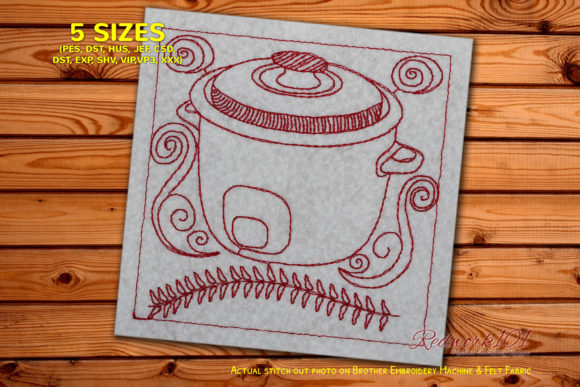
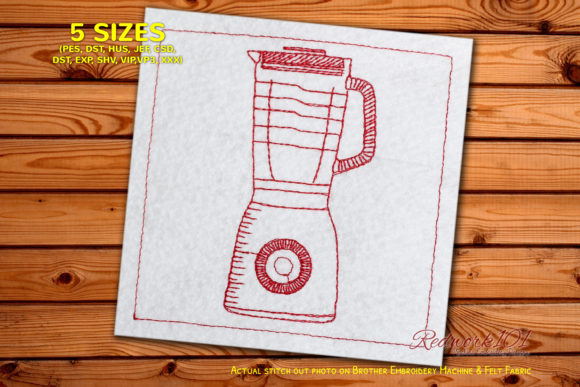
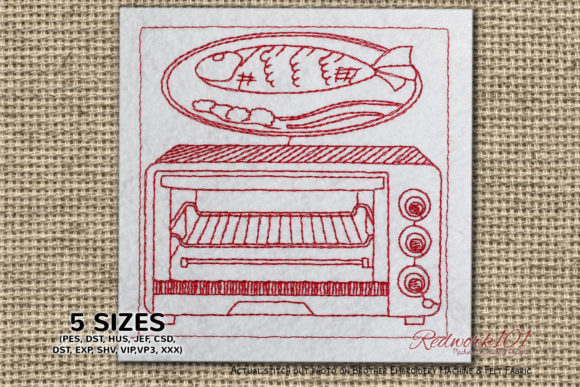
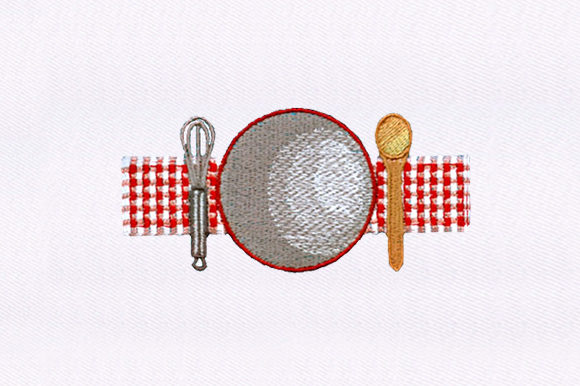
The Baking Utensils design immediately caught my eye with its charming, whimsical presentation. It features a collection of kitchen tools like rolling pins, whisks, spatulas, and measuring cups arranged in a playful layout. The detail level is impressive—each utensil is distinct and stylized just enough to feel decorative without becoming cluttered.
This design has a clear visual personality. Its color palette feels warm and inviting, making it ideal for projects centered around comfort, home life, or seasonal baking themes. The stitching style is well-balanced, blending smooth satin stitches with clean fill areas and delicate running stitch outlines. It’s the kind of design that could easily be adapted for different uses while maintaining its core aesthetic.
Stitching Personality and Decorative Appeal
What stands out most is how versatile the stitching can be. The mix of satin and fill stitches gives it a dimensional feel, which adds texture to fabric surfaces. This makes it suitable for both bold front-and-center placements and subtle accents within larger compositions. The design’s structure allows for easy resizing, though some small elements might need attention when scaled down.
Real Project Performance
I tested Baking Utensils on several common embroidery projects, including custom apparel, tote bags, aprons, and baby blankets. The design performed consistently well, especially when stitched onto medium-weight cotton blends. Here’s how it fared in specific use cases:
- Tote Bag Design: The design looked fantastic on a canvas tote. The bold utensils were a focal point, and the stitching held up well during multiple washes.
- Sweatshirt Embroidery: On a soft fleece hoodie, the design maintained clarity and vibrancy, even after being tumble-dried several times.
- Apron Use: Placed near the pocket area, the design added a fun, personalized touch. No issues with stretchy fabric or seam movement.
- Embroidered Patch: As a patch design, it worked well when backed with cutaway stabilizer. The stitch density helped it retain shape and durability when sewn onto denim or felt.
- Kitchen Towel: The design was resized slightly to fit a smaller hoop and still retained its charm. Ideal for adding a pop of personality to everyday household items.
- Nursery Decor: A pastel version of this design looked adorable on a muslin pillow cover. Parents loved the sweet, functional vibe.
Small Hoop Sizes and Tiny Lettering
One challenge I encountered was using the design in smaller hoops. While the main utensils scale well, the text included in the design (such as labels or names) may become too small to read clearly if reduced below certain limits. If your project requires tiny lettering, consider whether the design’s typography remains legible at those sizes. Always test on scrap fabric before finalizing.
Dense Stitch Areas and Stabilization Tips
There are a few dense stitch areas in the design, particularly where the utensils overlap or where shading is used. These spots require proper stabilization to avoid puckering or distortion. I recommend using tear-away or cutaway stabilizers depending on your fabric type. For lightweight materials, a combination of tear-away and topping stabilizer works best to maintain integrity during stitching.
Stretchy and Textured Fabrics
When working with stretchy fabrics like knits, I found that using a light interfacing underneath improved the outcome significantly. The design didn’t distort much, but it’s always wise to secure the back with additional support. On textured or novelty fabrics, the design holds up reasonably well, though you may notice slight variations in stitch definition based on the fabric’s surface.
Dark Fabric Compatibility
If you're planning to use this design on dark-colored fabrics, make sure the thread colors offer enough contrast. In my tests, the default thread colors provided a good visual impact on medium-toned backgrounds, but they appeared less defined on black or navy fabric. I suggest adjusting the thread color choices in your software to ensure visibility and aesthetic appeal.
Commercial and Etsy Applications
Baking Utentsils has strong commercial potential, especially for businesses targeting the home goods market. Its cohesive theme and high-quality execution make it perfect for branded products like aprons, tea towels, or custom chef caps. The design also fits well into seasonal gift lines, such as holiday baking kits or Mother’s Day gifts.
For Etsy sellers and crafters, this design can elevate the perceived value of handmade items. Whether used on a personalized sweatshirt or a set of embroidered kitchen towels, it adds a professional and thoughtful finish. Customers appreciate the blend of utility and artistry, and it helps build brand consistency for shops focused on lifestyle or domestic-themed products.
Giftability and Customer Engagement
The Baking Utensils design has a natural gift-ready quality. It evokes warmth and nostalgia, which are key drivers for customer engagement. When paired with other related design assets from Creative Fabrica, it can create a complete themed product line—from oven mitts to embroidered mugs. Buyers are more likely to connect emotionally with such designs, increasing the chances of repeat purchases or positive reviews.
Practical Considerations for Embroidery Designers
Before using Baking Utensils on a production run or customer order, here are some essential steps I recommend taking:
- Test on Scrap Fabric: Always stitch the design on a sample piece before committing to a finished product.
- Check Thread Color Contrast: Adjust thread colors in your software to match your fabric and desired outcome.
- Review Stitch Density: Inspect the design for overly dense areas and adjust as needed to prevent puckering.
- Confirm Hoop Size: Verify the recommended hoop size on the Creative Fabrica page to ensure compatibility with your machine.
- Compare Light and Dark Mockups: See how the design looks on different background tones to choose the right thread combinations.
- Use Proper Stabilizer: Depending on your fabric type, select the appropriate stabilizer to prevent distortion.
- Inspect Small Details After Stitching: Look closely at intricate parts like handles or measurements to confirm accuracy post-stitching.
- Review Licensing Terms: Make sure the design is licensed for commercial use if you plan to sell finished items.
Design File Formats and Machine Compatibility
The digital embroidery file comes in a wide range of formats: 10O, ART, CND, DSB, DST, DSZ, EXP, HUS, JEF, PCS, PEC, PES, TAP, VIP, VP3, XXX. This flexibility is great for users with different embroidery machines. However, I advise checking the product details on the Creative Fabrica site for any format-specific notes or restrictions. Also, if you're working on a commercial project, confirm that your machine supports the chosen file type and that the design scales correctly for your intended application.
Photography and Presentation
From a marketing perspective, the Baking Utensils design translates well into product photography. Its bright colors and recognizable shapes make it stand out in images, especially when placed against neutral or rustic backgrounds. I’ve used printable mockups to showcase this design on tote bags and aprons, and the results were visually appealing and ready for social media or shop listings.
Handmade presentation is another strength. The design’s cohesive style and thematic content help buyers understand the purpose of the item at a glance. Whether it's a personalized gift or a boutique accessory, the embroidery adds a sense of craftsmanship that can justify a higher price point.
Brand Consistency and Visual Appeal
For creative entrepreneurs building a brand around lifestyle or homeware, this design aligns beautifully with a kitchen-centric identity. Its consistent color scheme and layout make it easy to pair with other related machine embroidery designs, helping to create a unified look across your product line. It’s a great asset for maintaining visual continuity in your shop or at craft fairs.
Final Thoughts for Embroidery Designers
In summary, Baking Utensils is a solid addition to your design assets library. It brings a delightful touch to any project that benefits from a home-kitchen theme. As a seasoned embroiderer, I find it reliable and adaptable, though careful attention should be paid to scaling, stabilizing, and color selection.
Whether you’re creating a batch of custom aprons for a local café or designing personalized gifts for your Etsy store, this embroidery file offers a balance of charm and functionality. It’s one of those designs that you can confidently include in your workflow knowing it will enhance the handmade product without compromising on quality.
Remember, every machine and fabric behaves differently. Take time to experiment and adjust settings as needed. With a little preparation, Baking Utensils can become a valuable part of your next project.